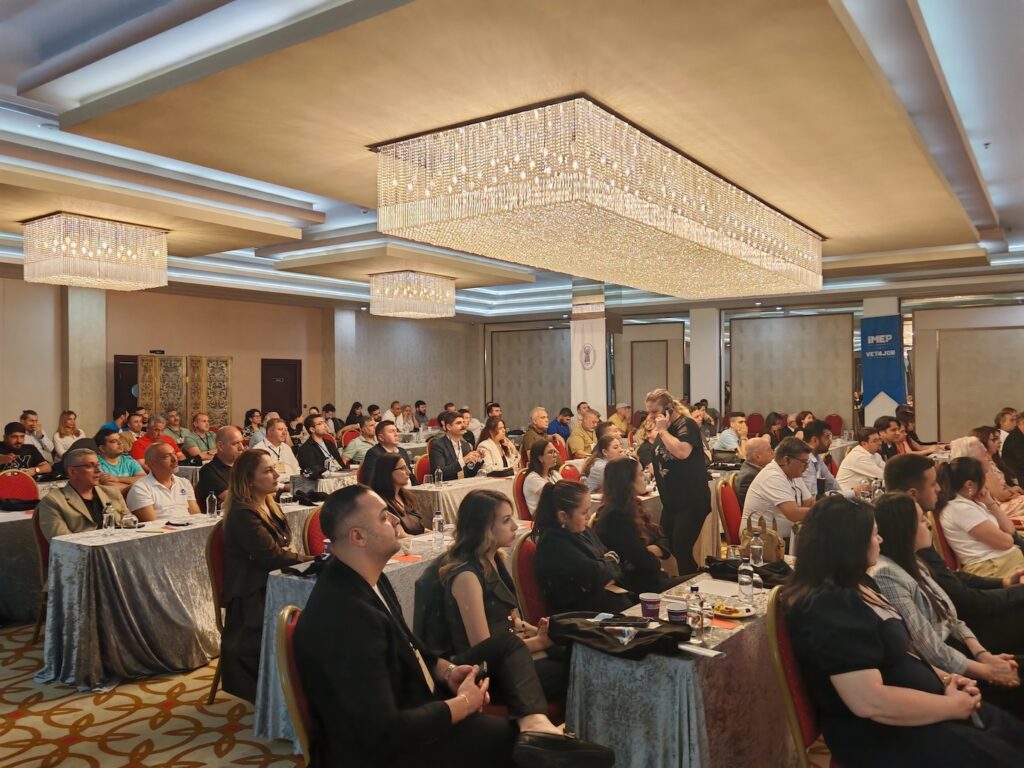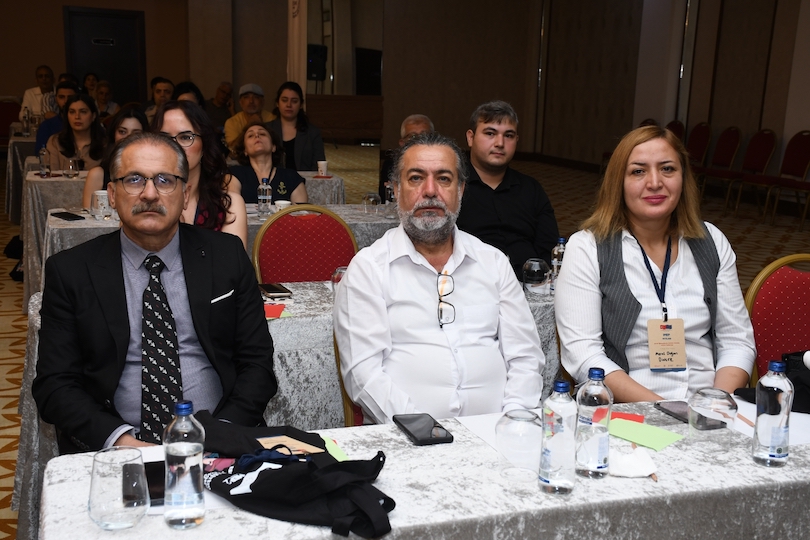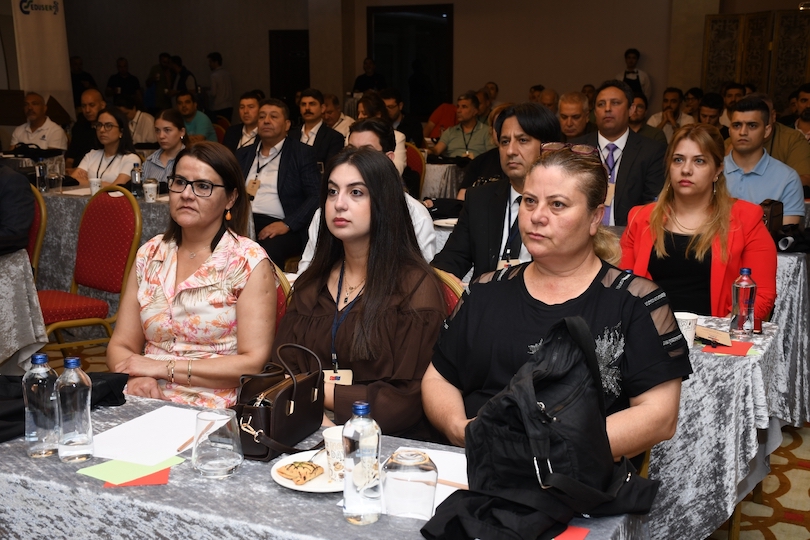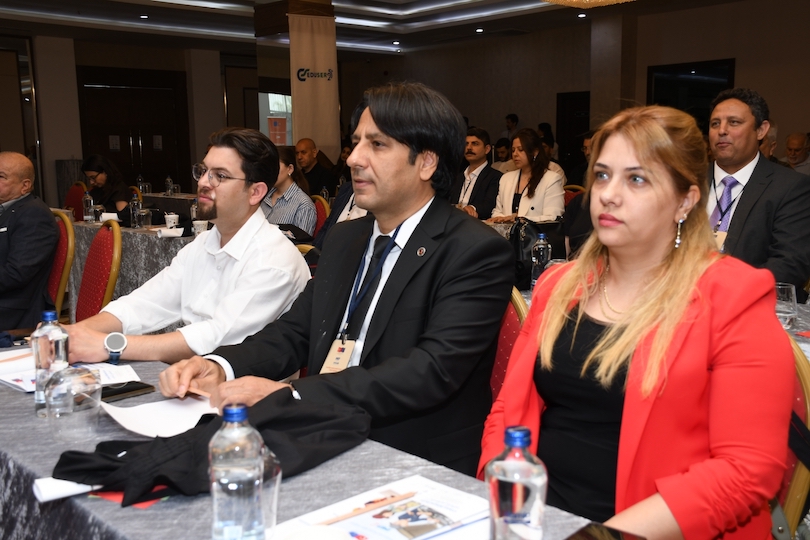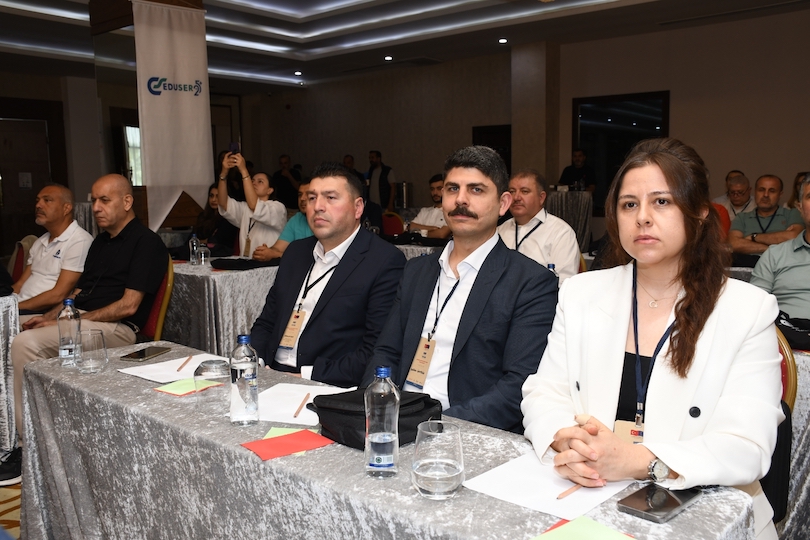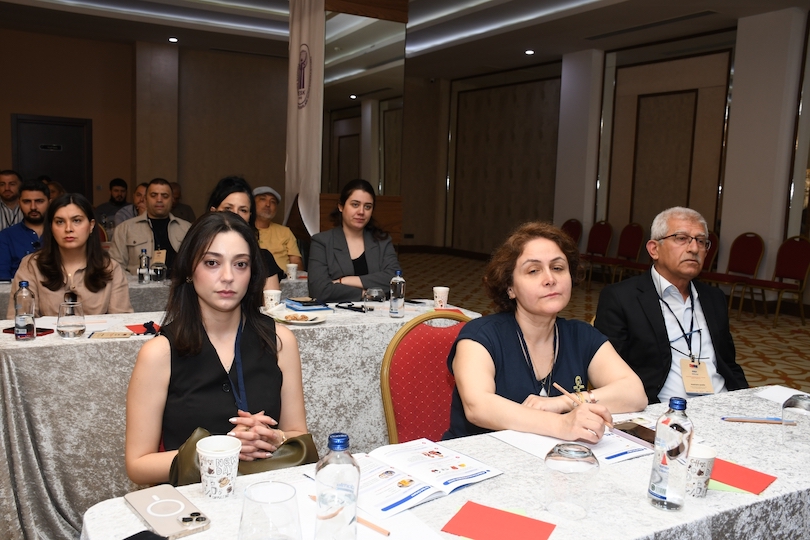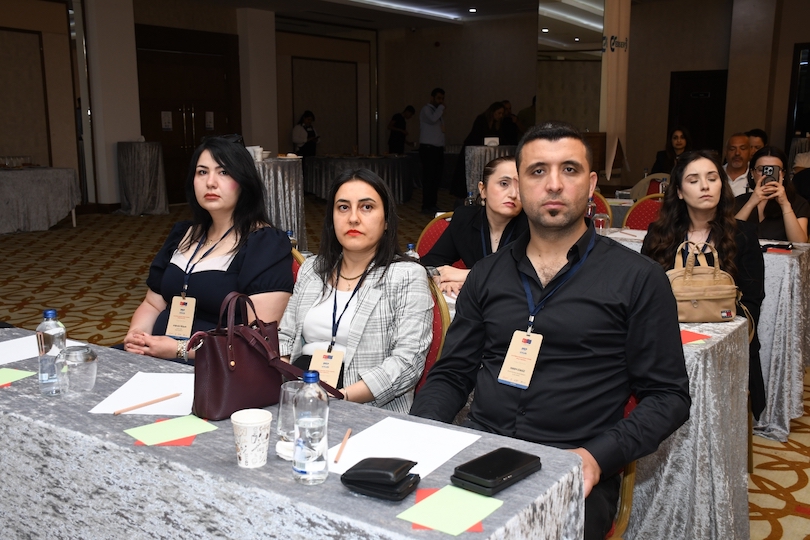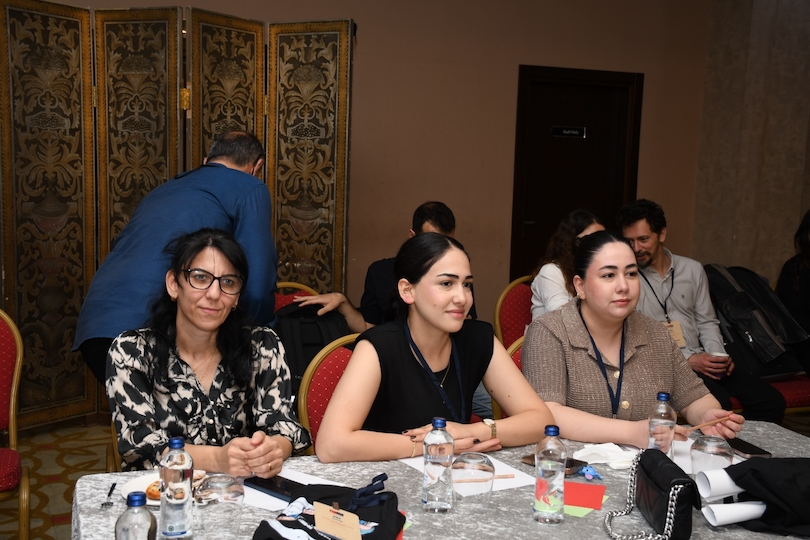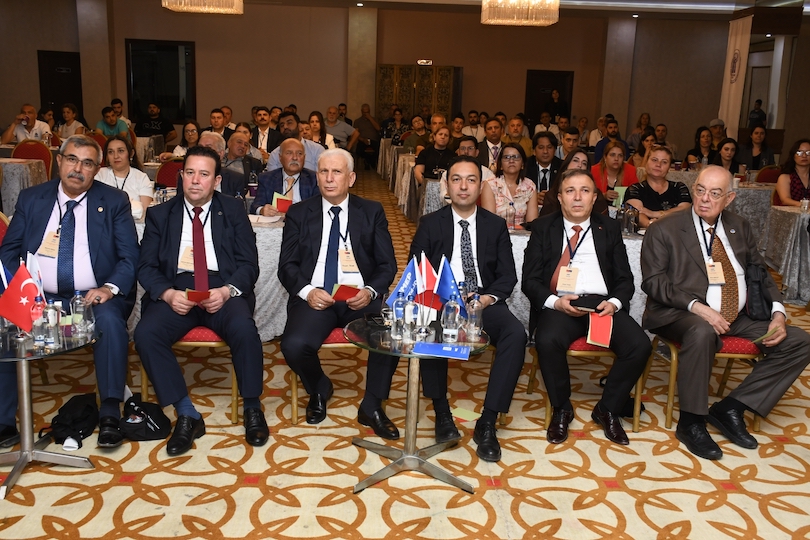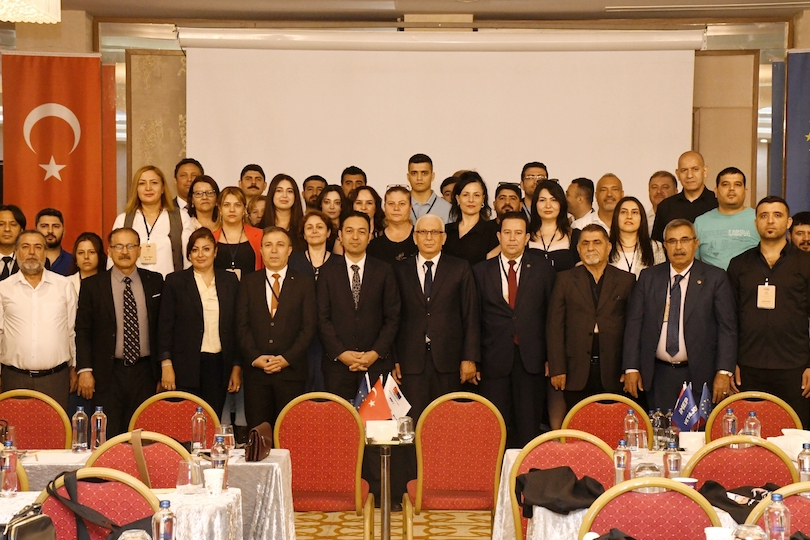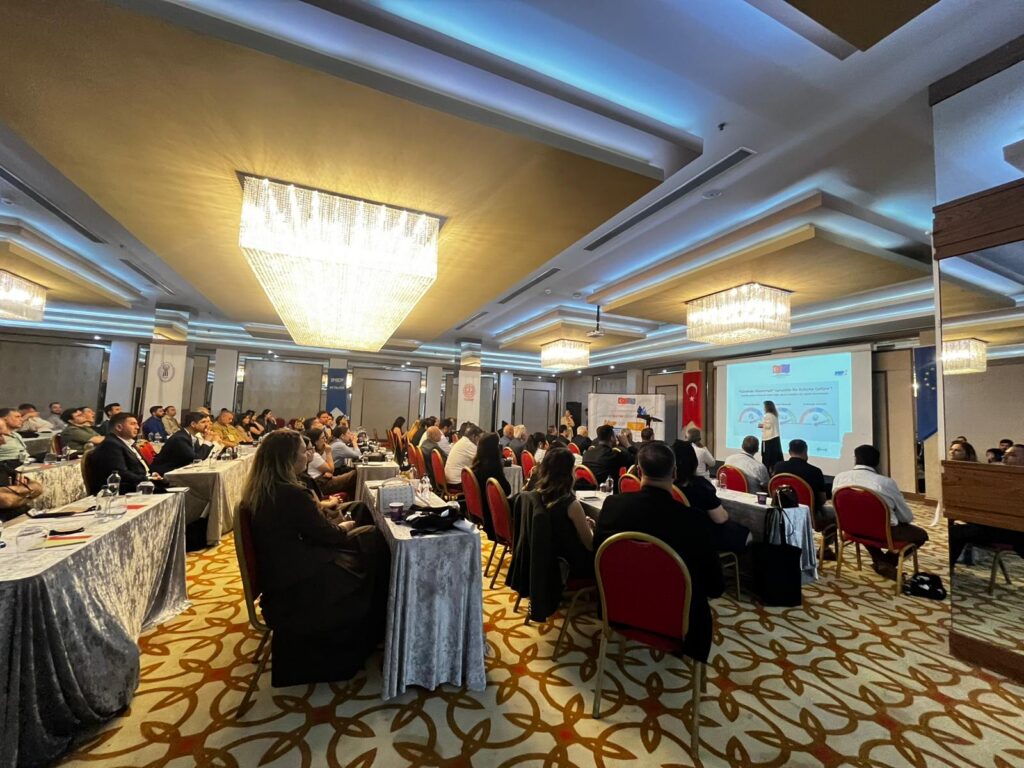
The “Apprentice Students on the Path to Mastery” Awareness Meeting was held in Adana on 11 May 2026 within the scope of the Vocational Education and Training Programme for Employment (VET4JOB-II), funded by the European Union and implemented in cooperation with the Directorate General for Vocational and Technical Education of the Ministry of National Education (DG VET) and the Confederation of Turkish Tradesmen and Craftsmen (TESK), under the leadership of Expertise France and carried out by Eduser.
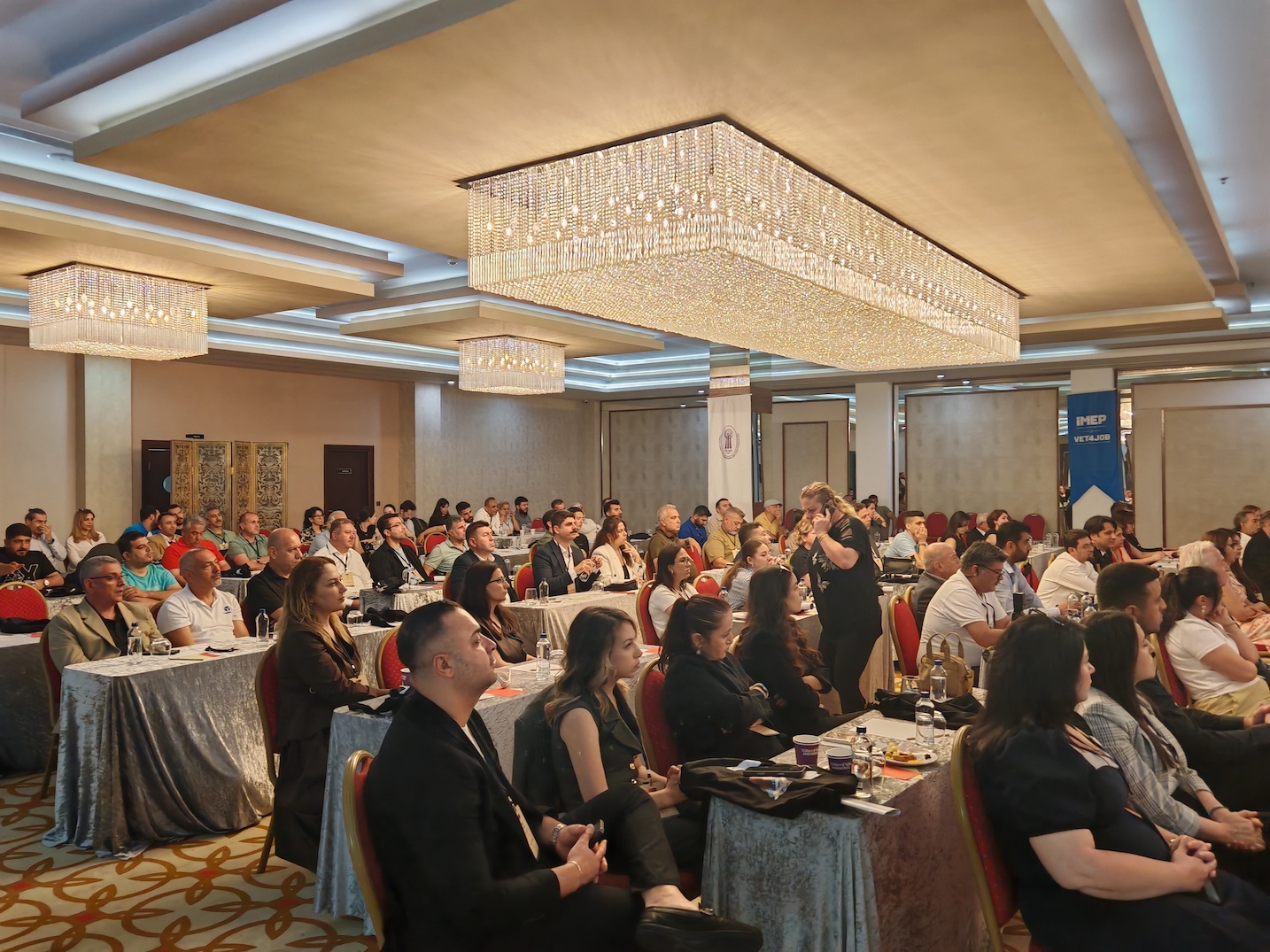
The meeting brought together representatives of the Adana Provincial Directorate of National Education, participants from the Provincial Directorate of Family and Social Services, tradesmen and craftsmen operating in Adana, business representatives, chamber presidents, school administrators, and sector stakeholders. The meeting, attended by enterprises employing apprentice students or having the potential to recruit apprentices, aimed to enhance understanding of the distinction between the fight against child labour and apprenticeship training, while also raising awareness of safe and sustainable apprenticeship training practices.
Opening speeches were delivered by Murat Yüksel, Head of the Vocational and Technical Education Department at the Adana Provincial Directorate of National Education, and Veysel Bulat, Vice Chairman of the Adana Union of Chambers of Tradesmen and Craftsmen (Adana ESOB). The speakers emphasized the importance of safe, sustainable, and high-quality apprenticeship training and highlighted the role of enterprises in supporting the professional development of young people.
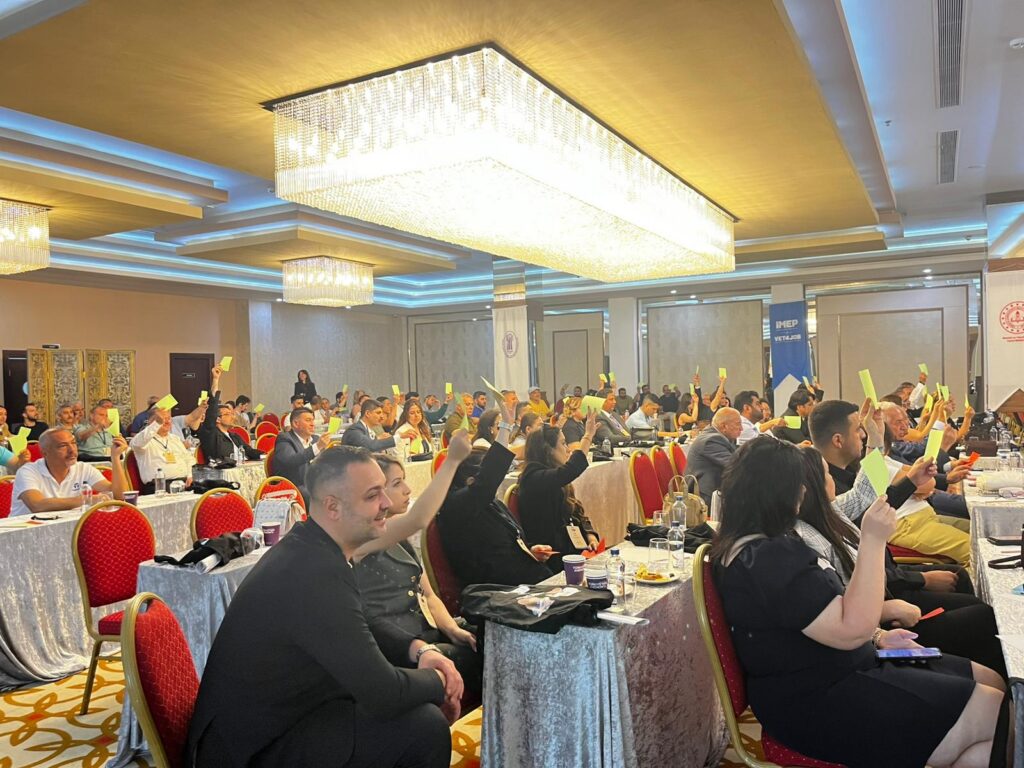
Following the opening remarks, the programme continued with the screening of the VET4JOB-II promotional film. During the presentation session of the meeting, expert Gülcan Eriş, who served for many years as a labour inspector at the Ministry of Labour and Social Security and has carried out significant work in combating child labour, shared her knowledge and experience with the participants. Her presentation addressed the key differences between apprenticeship training and child labour, the responsibilities of enterprises, and the protection of apprentice students from the perspective of occupational health and safety. During the interactive sessions, enterprises had the opportunity to evaluate their current practices and exchange views on sector-specific risks, case analyses, and solution proposals.
The meeting, conducted with the active participation of attendees, concluded with the collection of participants’ opinions and recommendations, followed by a general evaluation and closing session.