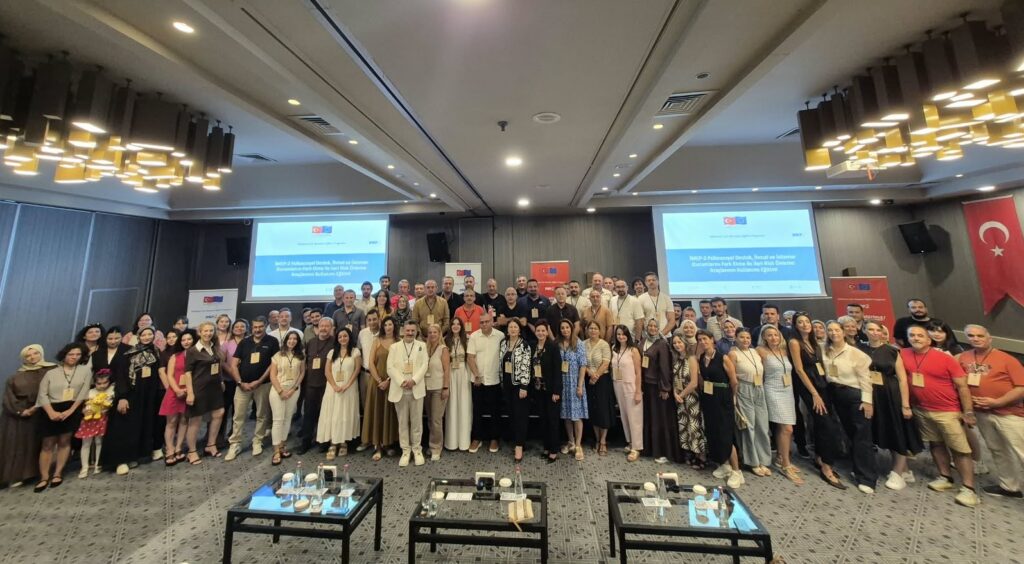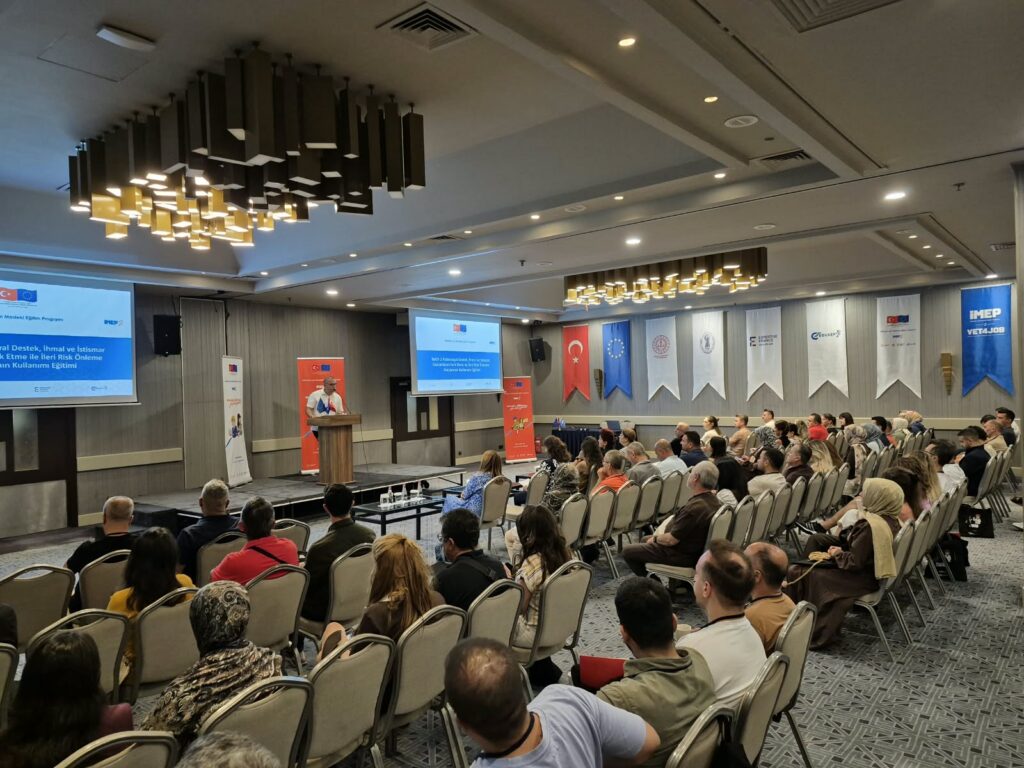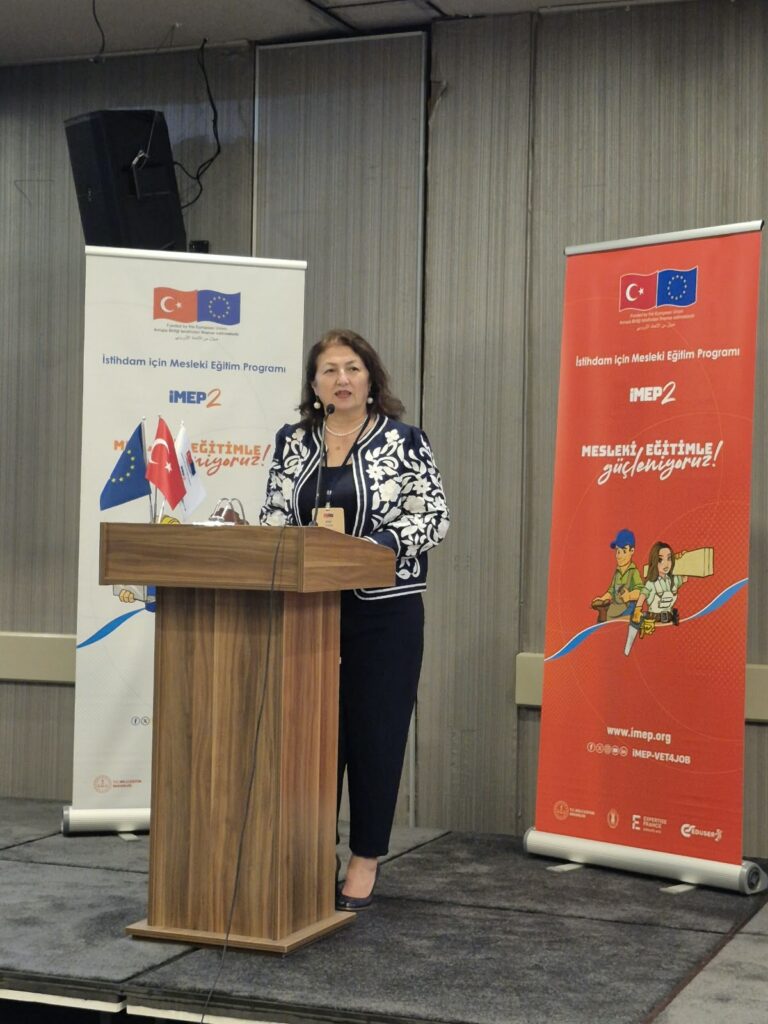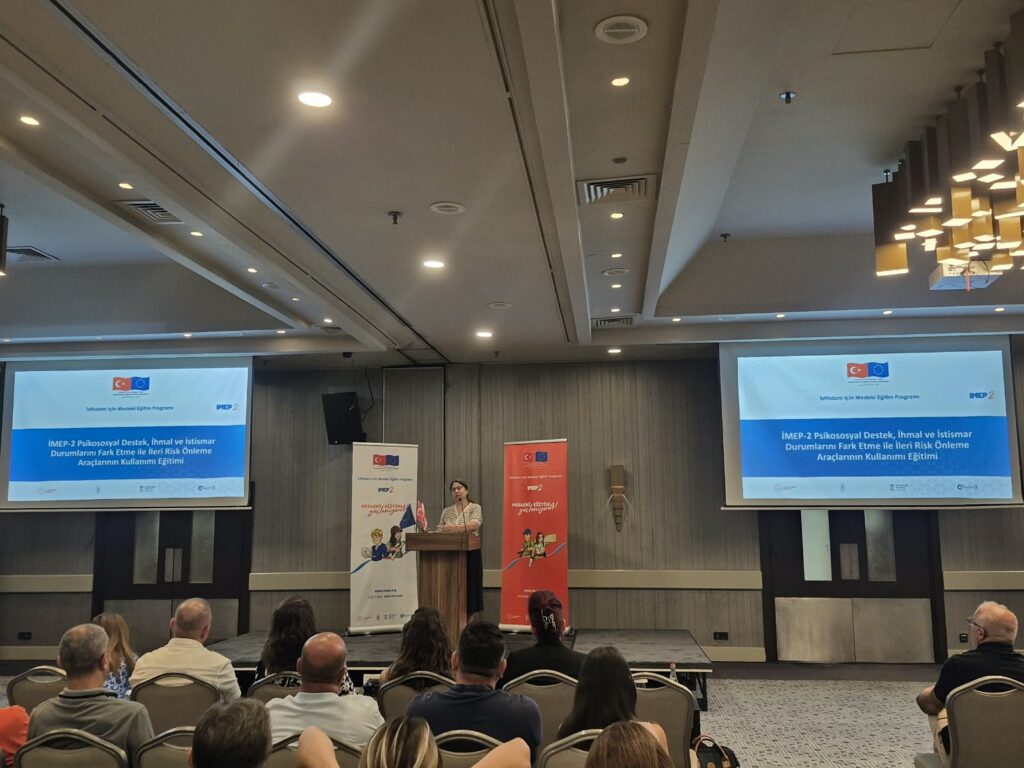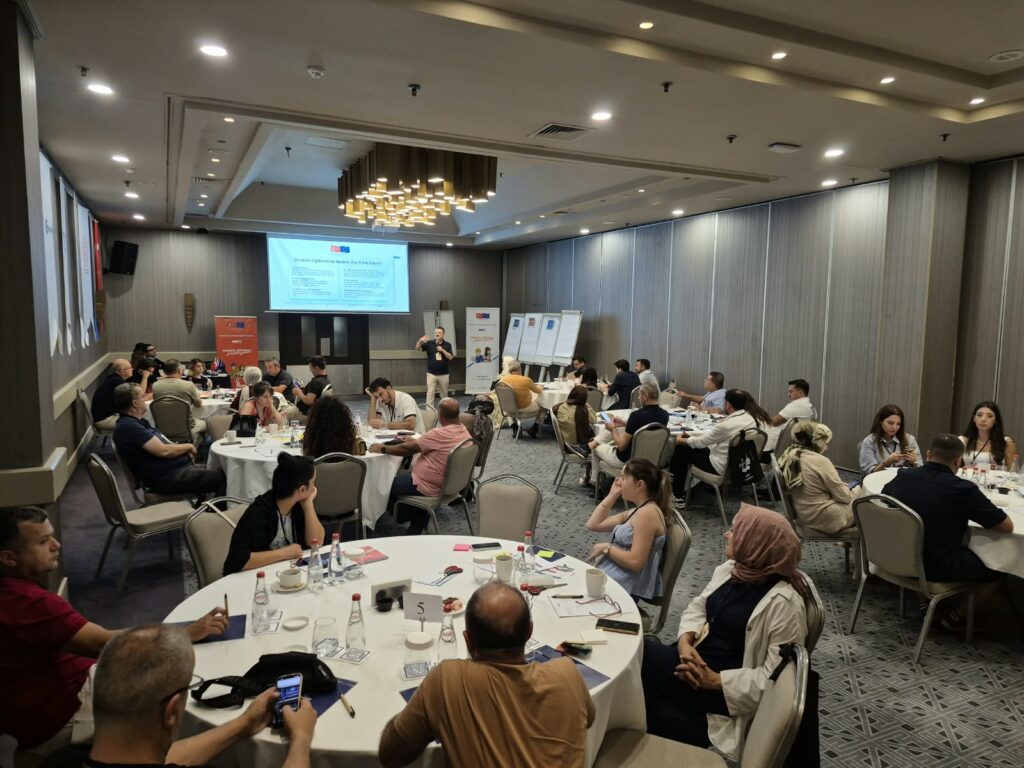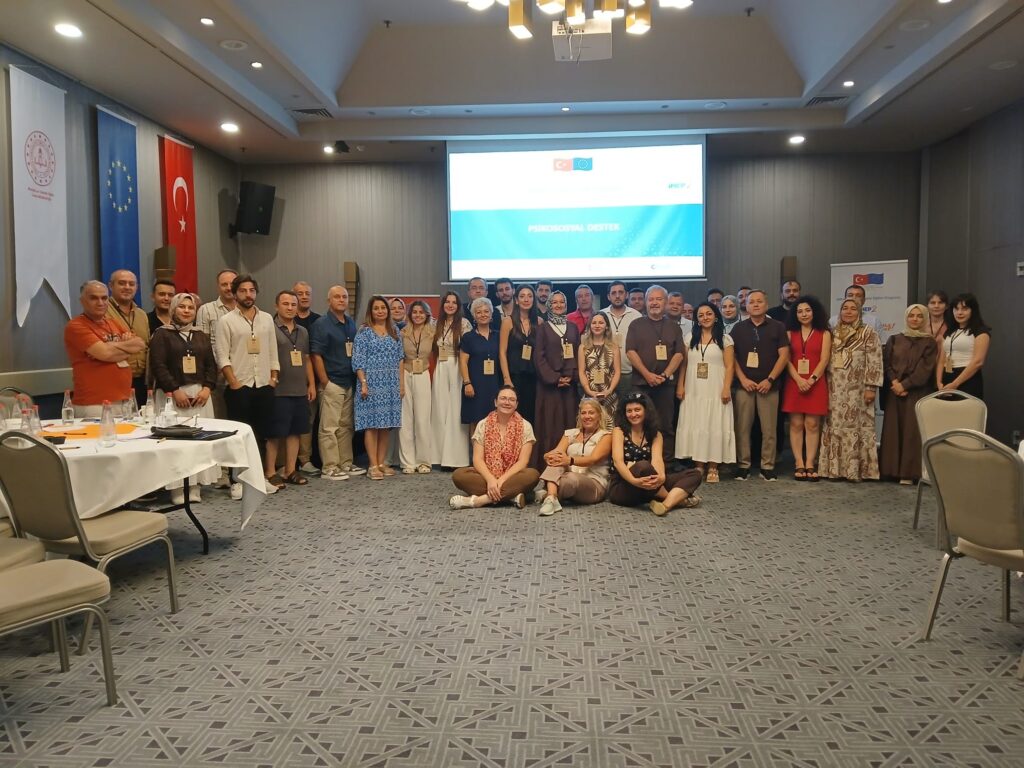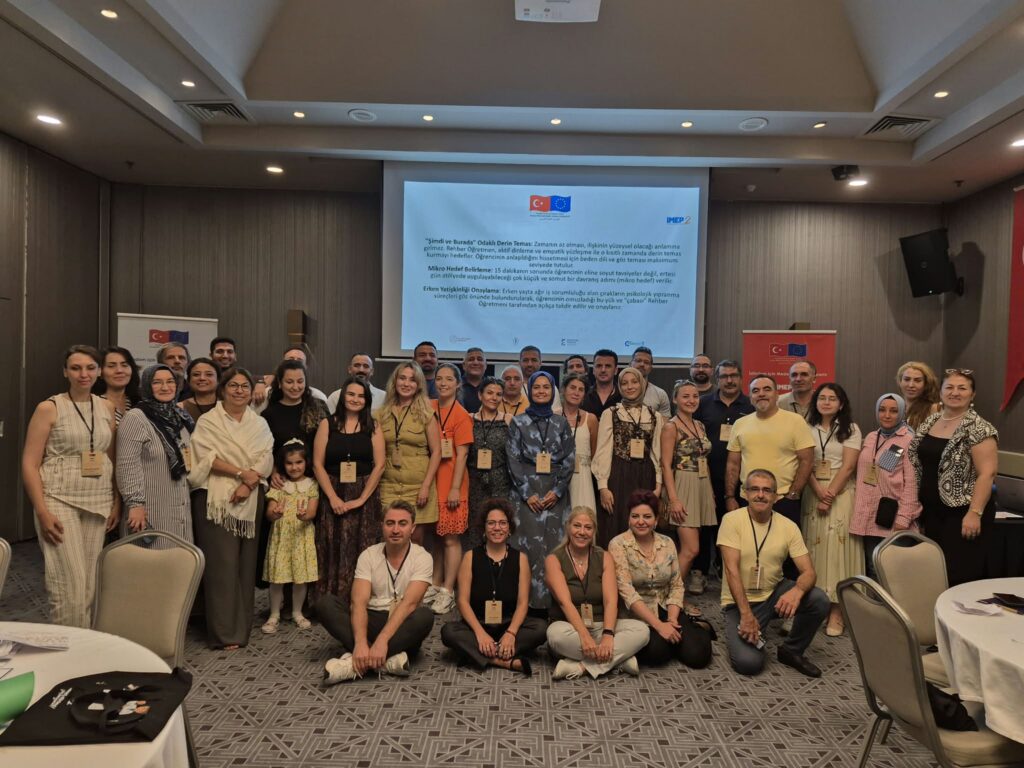
Within the framework of İMEP-2 Programme, the training titled “Training on Psychosocial Support, Recognising Neglect and Abuse, and the Use of Advanced Risk Prevention Tools” was held in Mersin from 26 to 28 August 2026.
The three-day training programme focused on identifying the psychosocial needs and risks faced by students in Vocational Training Centres (VTCs), recognising cases of neglect and abuse at an early stage, strengthening appropriate intervention and referral mechanisms, and effectively using advanced risk prevention tools.
The training addressed the psychosocial needs of VTC students, with a particular focus on the transition between school-time and the workplace, pressures associated with early adulthood, and economic factors. Participants were introduced to the key principles of psychosocial support, the “I Have 15 Minutes” approach, Psychological First Aid (PFA), and the development of stakeholder support networks. Case management, confidentiality and ethical principles were also discussed, while case analyses and role-play exercises provided participants with an opportunity to make practical exercises.
The programme also focused on recognising signs of neglect and abuse, including physical, sexual, emotional and economic forms of neglect and abuse. VTC-specific risk areas, reporting obligations and intervention procedures were addressed, supported by real-life examples and practical exercises through the “Scenario Table” activity.
On the final day, participants were introduced to the updated General Risk Prevention (GRP) document, including its approach to using data generated through eight-week interventions in the Advanced Risk stage. A simulation using the Advanced Risk Assessment Tool (A-RAT) was conducted, focusing on case scoring and the assessment of risk levels. The programme also covered digital monitoring tools, risk trends, field applications, activity tracking forms, standardised reporting and quality assurance practices.
The three-day training aimed to strengthen the knowledge and practical capacity of participants to identify psychosocial risks, neglect and abuse affecting VTC students at an earlier stage, enhance appropriate intervention and referral mechanisms, and ensure the more effective use of advanced risk assessment tools in the field.